Feet
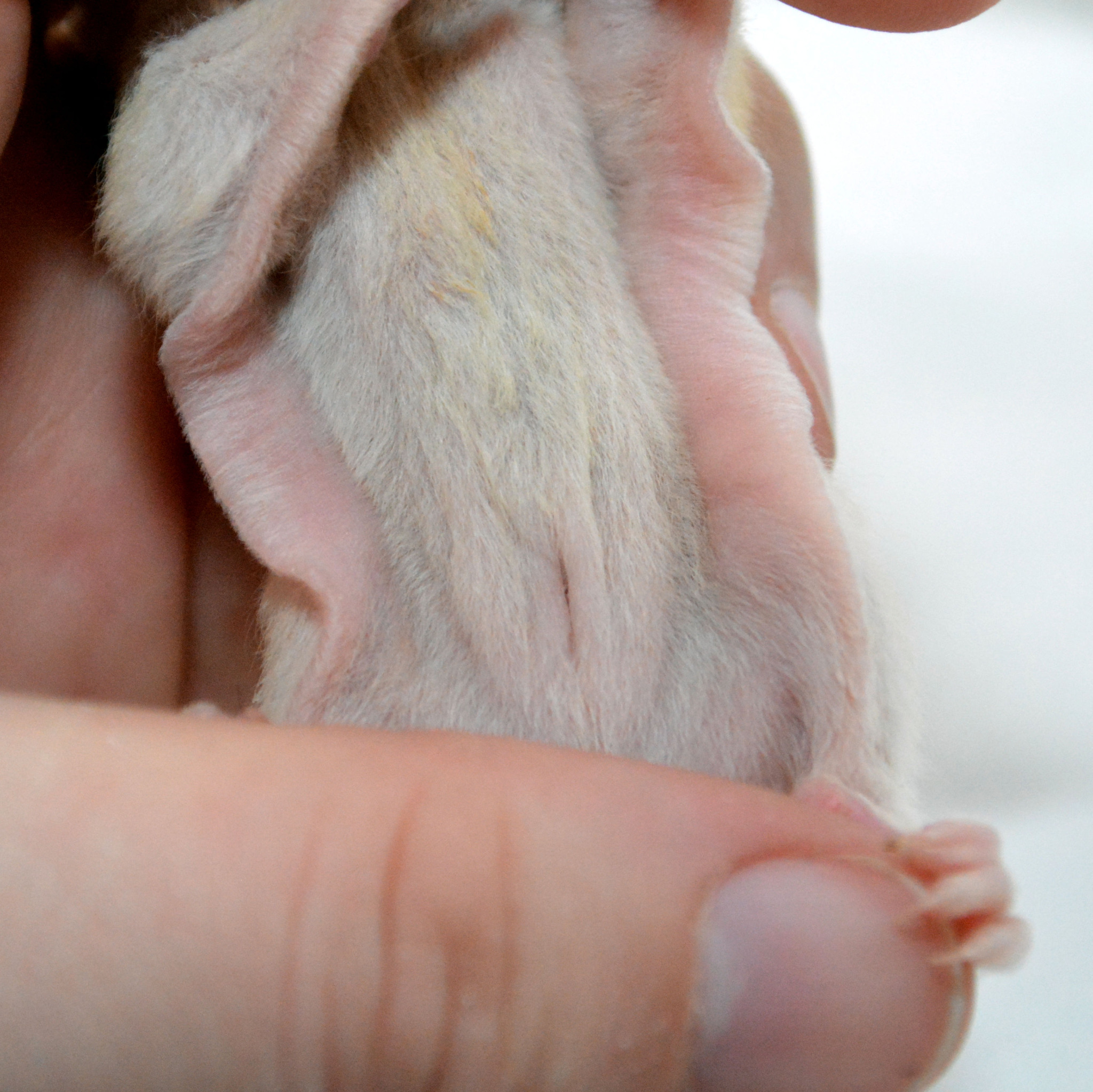
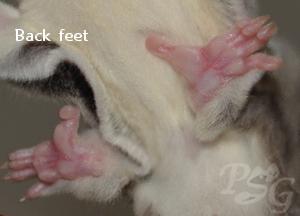
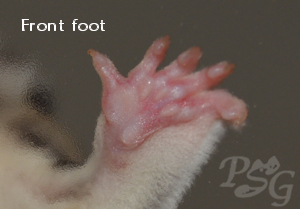
Sugar gliders use their feet for climbing, gripping, grooming, and moving safely across branches, fleece, cage bars, and toys. These original photos show the front and back feet close up.
Basic Information
Educational anatomy information and photos to help sugar glider owners recognize normal anatomy.
Sugar gliders use their feet for climbing, gripping, grooming, and moving safely across branches, fleece, cage bars, and toys. These original photos show the front and back feet close up.
Many intact male sugar gliders develop a bald spot on the top of the head as they mature. This area is a scent gland used for marking. Males may rub this gland on their pouch, cage items, mate, joeys, and other parts of their environment as part of normal scent marking behavior.
The bald spot is usually most noticeable in mature intact males and may be much less obvious or absent in neutered males. It should look like a normal smooth scent gland area, not an open wound. If the area becomes red, crusted, irritated, or suddenly changes, it is a good idea to have your veterinarian take a look.
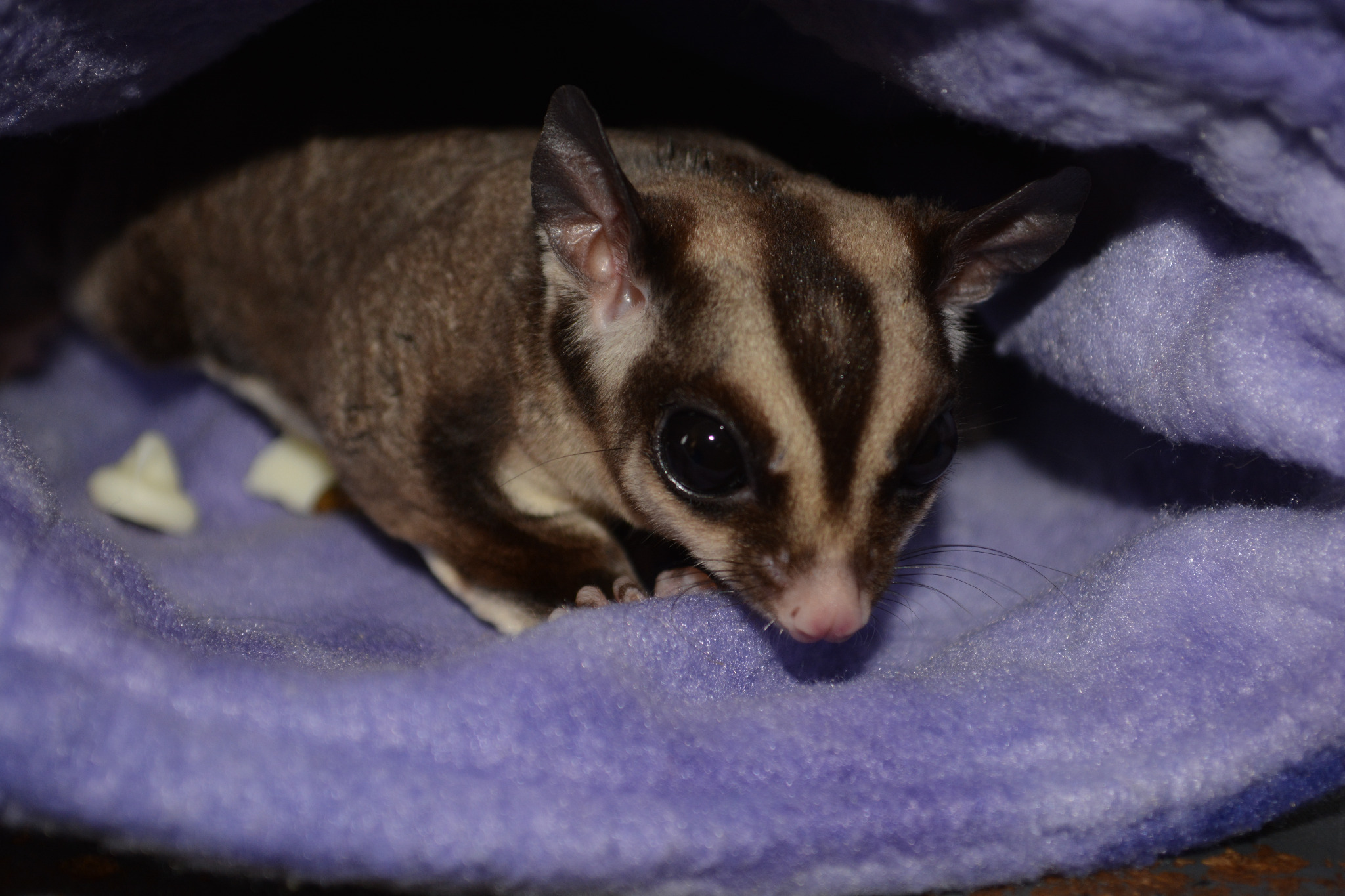
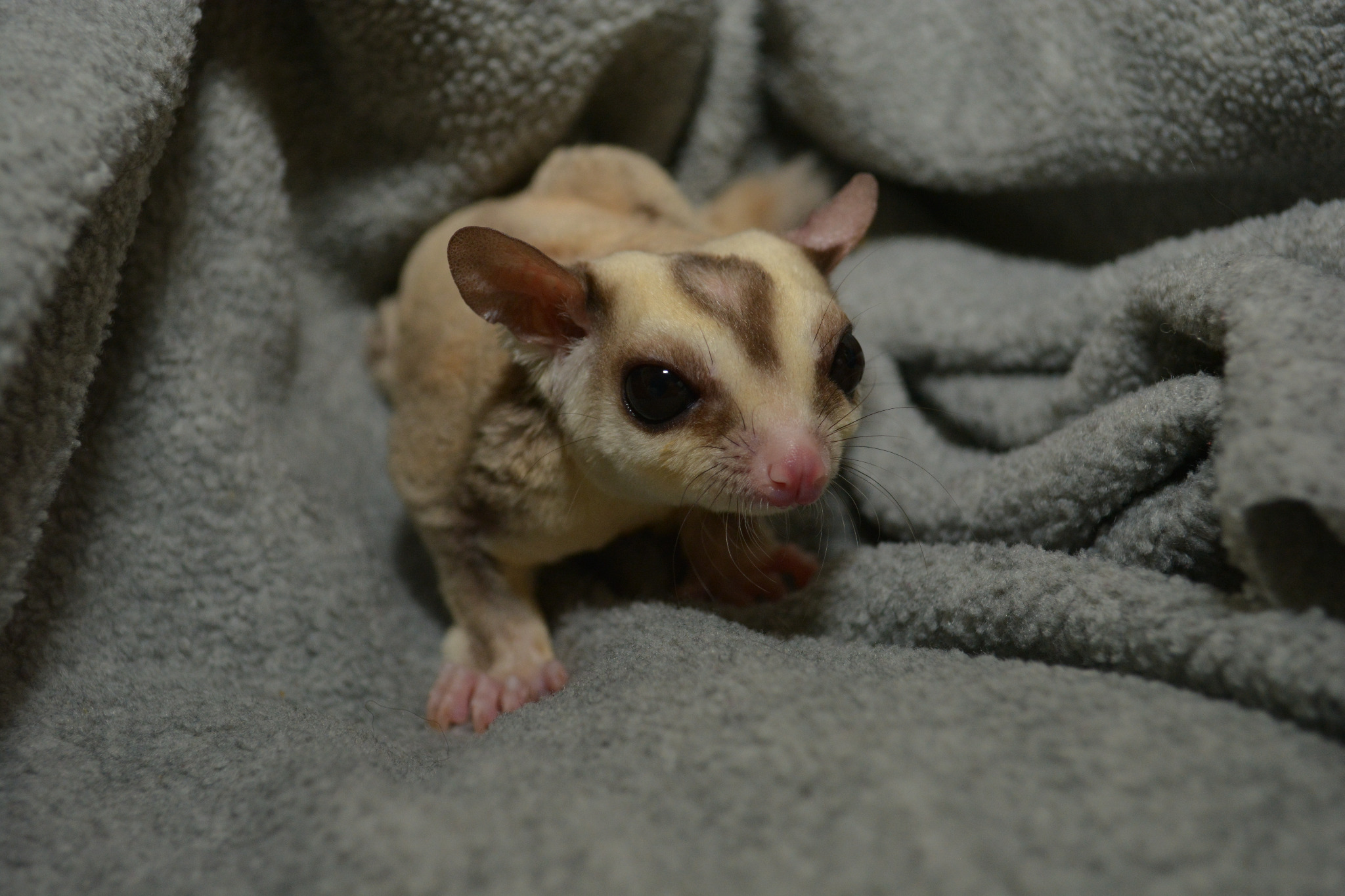
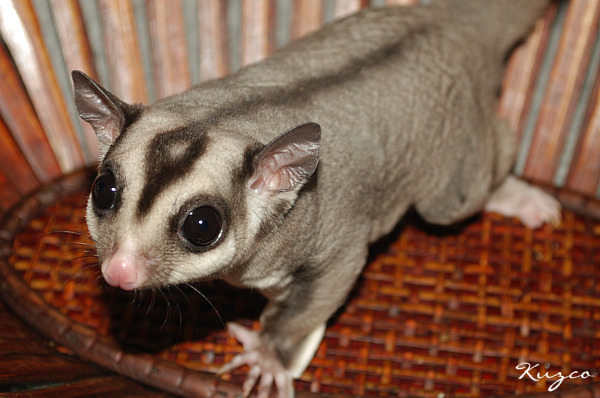
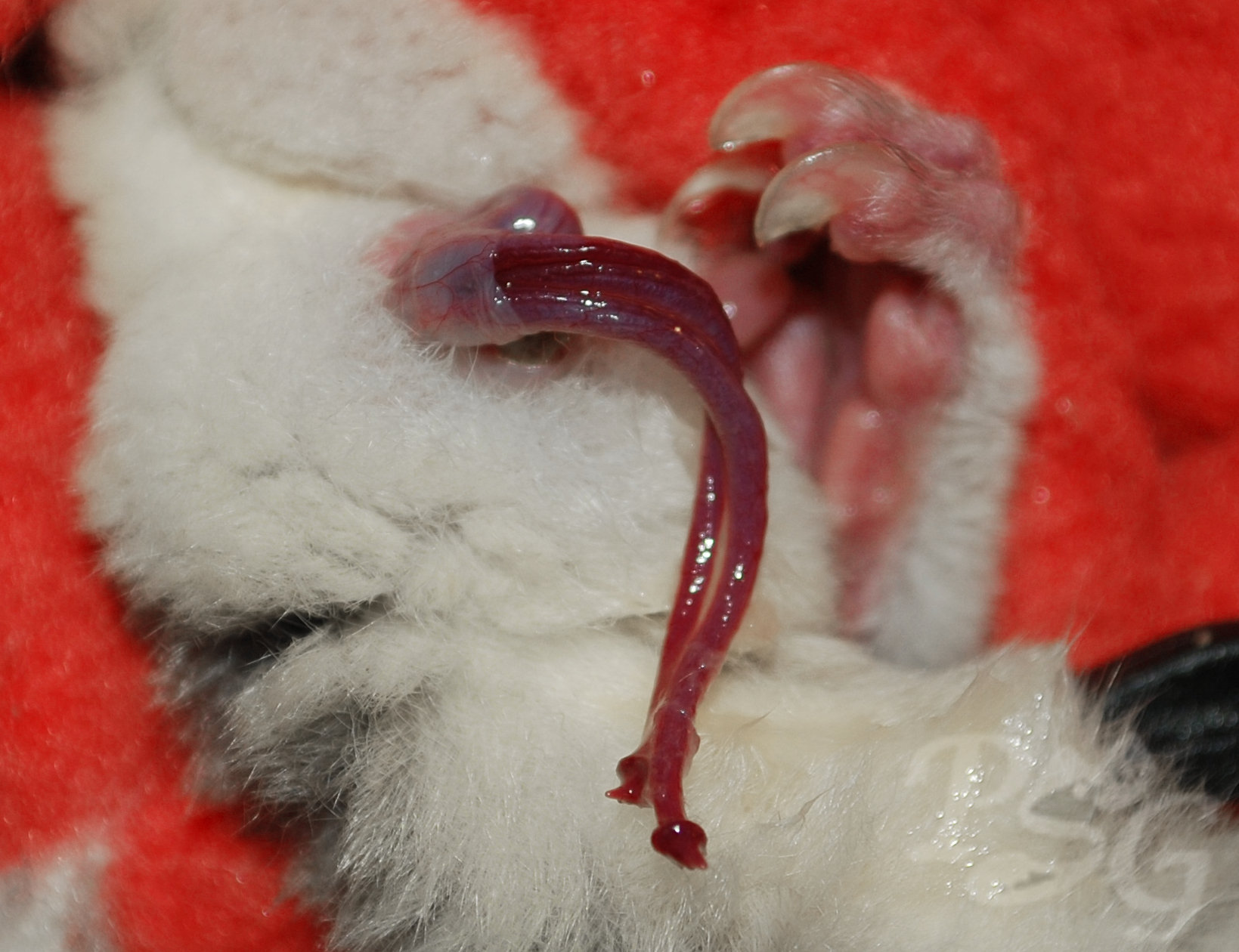
A sugar glider's penis extends from the cloaca. It is naturally moist and can vary in shades of pink. The penis is bifurcated, which means that it is divided into two shafts. Males will extend their penis at various times. If the penis does not retract for several hours or appears dry, a little KY jelly can help. If the penis still fails to retract, a vet visit may be required.
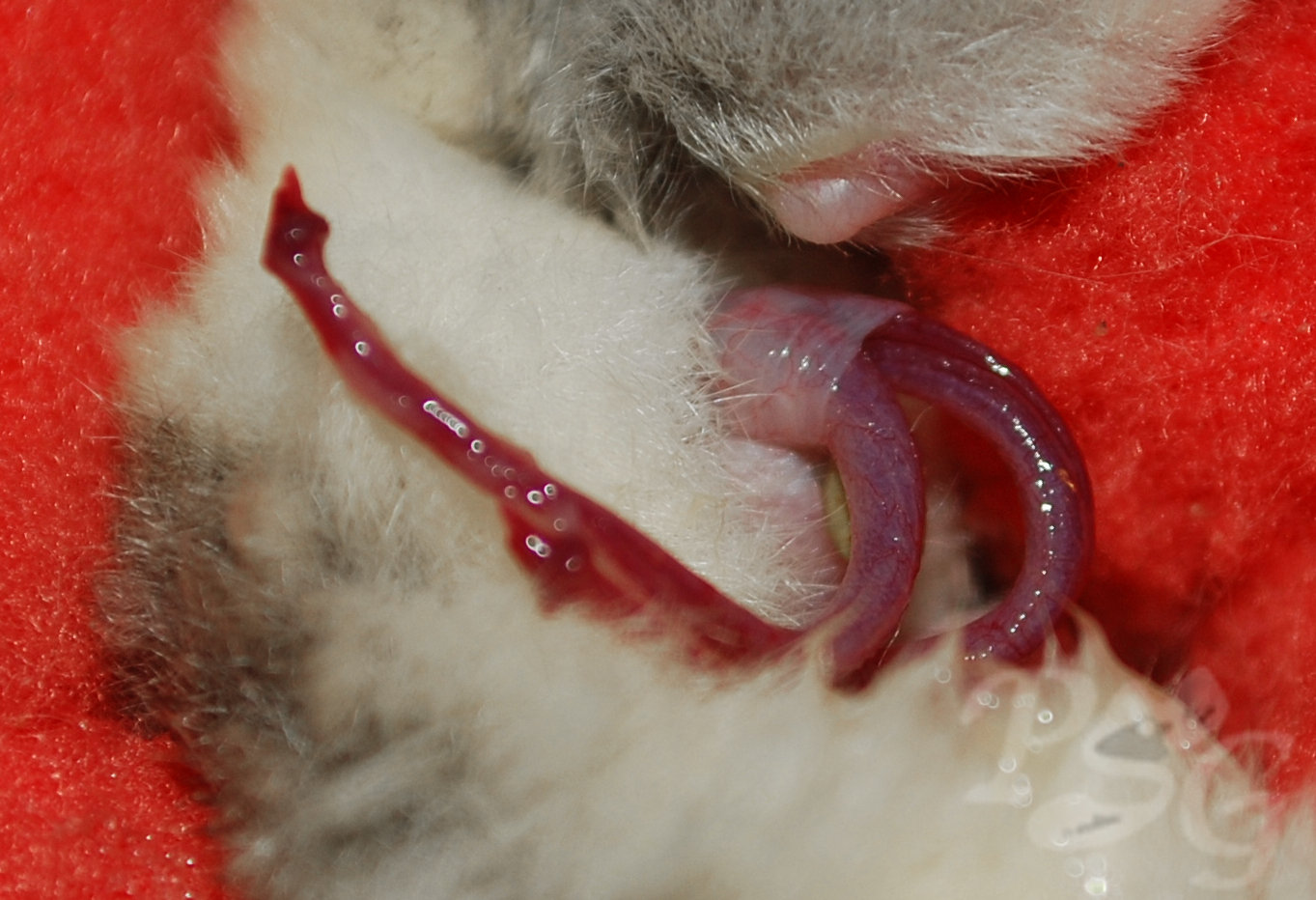
Intact male sugar gliders have a scent gland on the chest. This gland is used for marking, especially as males mature and become more territorial or bonded to their cage, pouch, mate, joeys, or favorite people.
The chest gland may look like a small oily or stained area in the center of the chest. It should not look raw, swollen, crusted, or wounded. If the area looks irritated or suddenly changes, a veterinarian should check it.
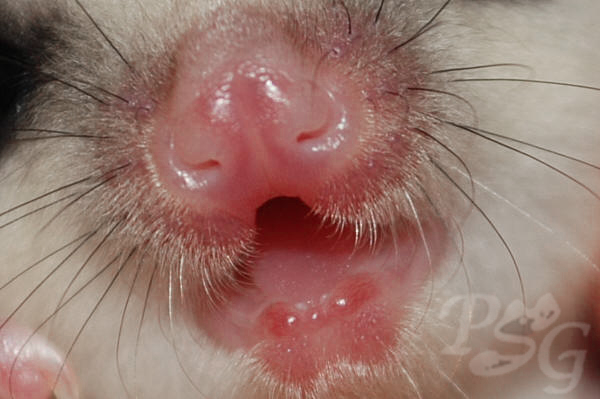
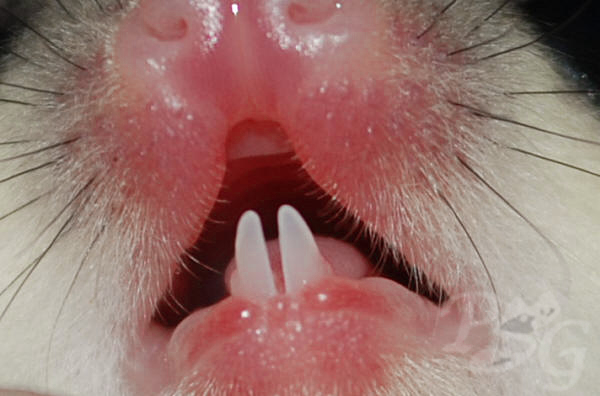
Sugar gliders have retractable gums hiding the full length of teeth. Their incisors are specialized for gouging tree bark in the wild. Offering glider safe tree branches can help with dental health. Captive sugar gliders may need dental cleaning to prevent tooth loss and infections. Sugar glider teeth should never be floated or trimmed. They will not grow back.
Female sugar gliders have a pouch on the abdomen where joeys continue developing after birth. Inside the pouch are four teats used to feed joeys while they are in pouch.
One of the remarkable features of sugar glider reproduction is that the mother can support joeys at different developmental stages. Each set of mammary glands can produce milk suited to a joey’s stage of development, allowing joeys in the pouch to receive milk that matches their needs as they grow.
The pouch should look clean and healthy. Redness, swelling, discharge, odor, or unusual irritation should be checked by an experienced exotic veterinarian.